
Move Better, Live Better — Top Diets for Joint Health
Explore expert-reviewed, research-backed dietary approaches that support joint mobility, reduce inflammation, and help you feel your best every day.
- Anti-inflammatory eating patterns ranked and explained
- Science-backed food choices for cartilage and joint support
- Practical meal ideas for every lifestyle and preference
- Editorial content reviewed by registered dietitians
Download Your Free Joint Health Guide
Enter your email and we'll send you our comprehensive guide to joint-friendly diets — curated by our editorial team.
No spam. Editorial content only. Unsubscribe anytime.
Anti-inflammatory Recipes
Bone & Cartilage Foods
Mobility Meal Plans
The information on this site is for educational purposes only and does not constitute medical advice. Always consult a qualified healthcare professional before making health decisions.
Why Diet Matters for Your Joints
Emerging research continues to highlight the powerful connection between what we eat and how our joints feel. Here's what the science tells us.
Chronic Inflammation
Persistent, low-grade inflammation is widely considered a primary driver of joint discomfort and reduced mobility in adults across all age groups.
Dietary Triggers
Ultra-processed foods, refined sugars, and trans fats are consistently linked in studies to increased inflammatory markers affecting joint tissue.
Omega-3 Impact
Omega-3 fatty acids found in fatty fish, flaxseeds, and walnuts have shown measurable benefits for joint stiffness and morning discomfort.
Plant Polyphenols
Colorful fruits, vegetables, and herbs are rich in polyphenols that actively support the body's natural inflammatory response at the joint level.
Ready to discover which diet works best for your joints? Our editorial team has done the research.
Browse All Diet GuidesTop-Rated Diets for Joint Health & Inflammation Relief
Our editorial team has reviewed the most widely studied dietary approaches and ranked them for their impact on joint comfort, mobility, and overall inflammation levels.
 Editor's Top Pick
The Mediterranean Diet
Consistently ranked as one of the most effective dietary patterns for joint health, the Mediterranean diet emphasizes olive oil, fatty fish, legumes, and an abundance of colorful vegetables. Its high antioxidant and omega-3 content directly targets the inflammatory pathways linked to joint degradation. Studies in rheumatology journals have associated this diet with measurable reductions in joint stiffness and swelling.
 Anti-Inflammatory
The Anti-Inflammatory Diet
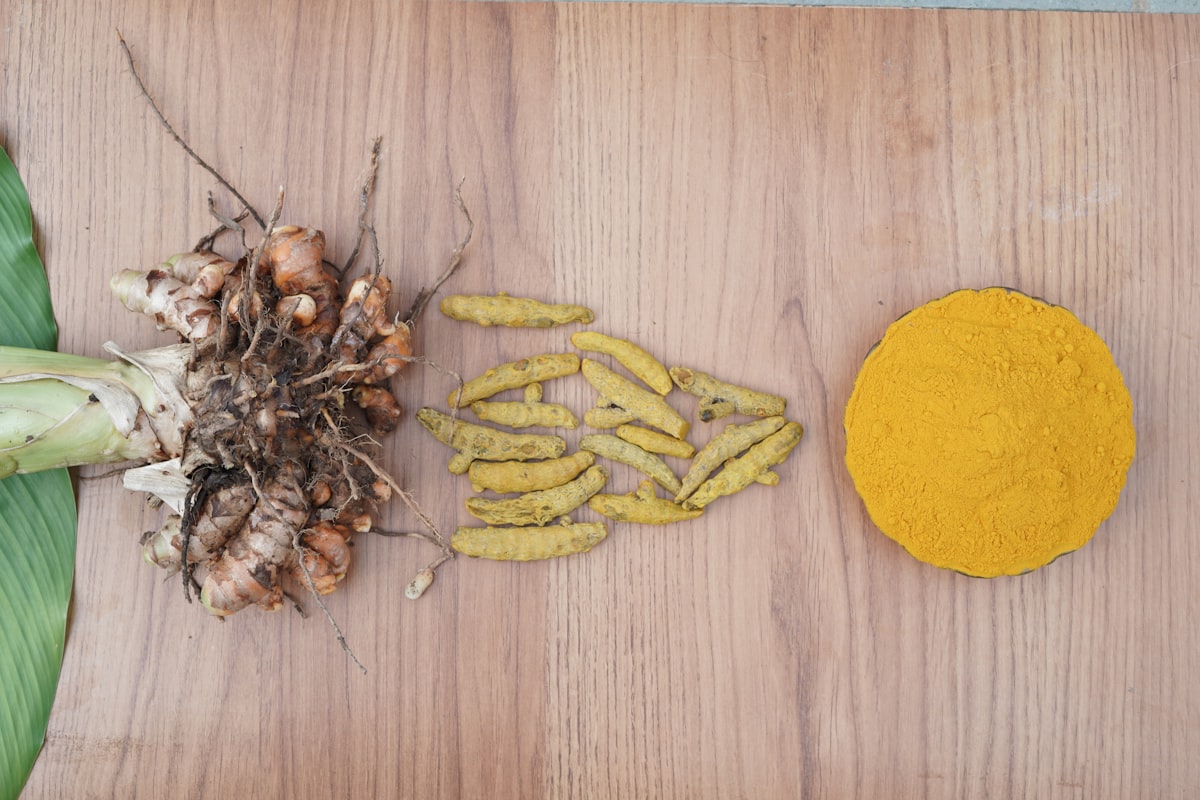
Designed specifically to combat systemic inflammation, this dietary approach focuses on turmeric, ginger, berries, leafy greens, and green tea. It strategically eliminates common inflammatory triggers like refined grains, processed meats, and vegetable oils high in omega-6. Many individuals following this approach report noticeable improvements in joint flexibility and morning stiffness within weeks of consistent practice.
 Plant-Based
Whole Food Plant-Based Diet
A whole food plant-based approach removes animal products in favor of fiber-rich grains, legumes, nuts, seeds, fruits, and vegetables. The fiber content alone supports gut health, which is increasingly understood to play a critical role in systemic inflammation affecting the joints. Plant compounds like flavonoids and carotenoids provide targeted antioxidant protection for joint cartilage and connective tissue.
 Low-Inflammatory
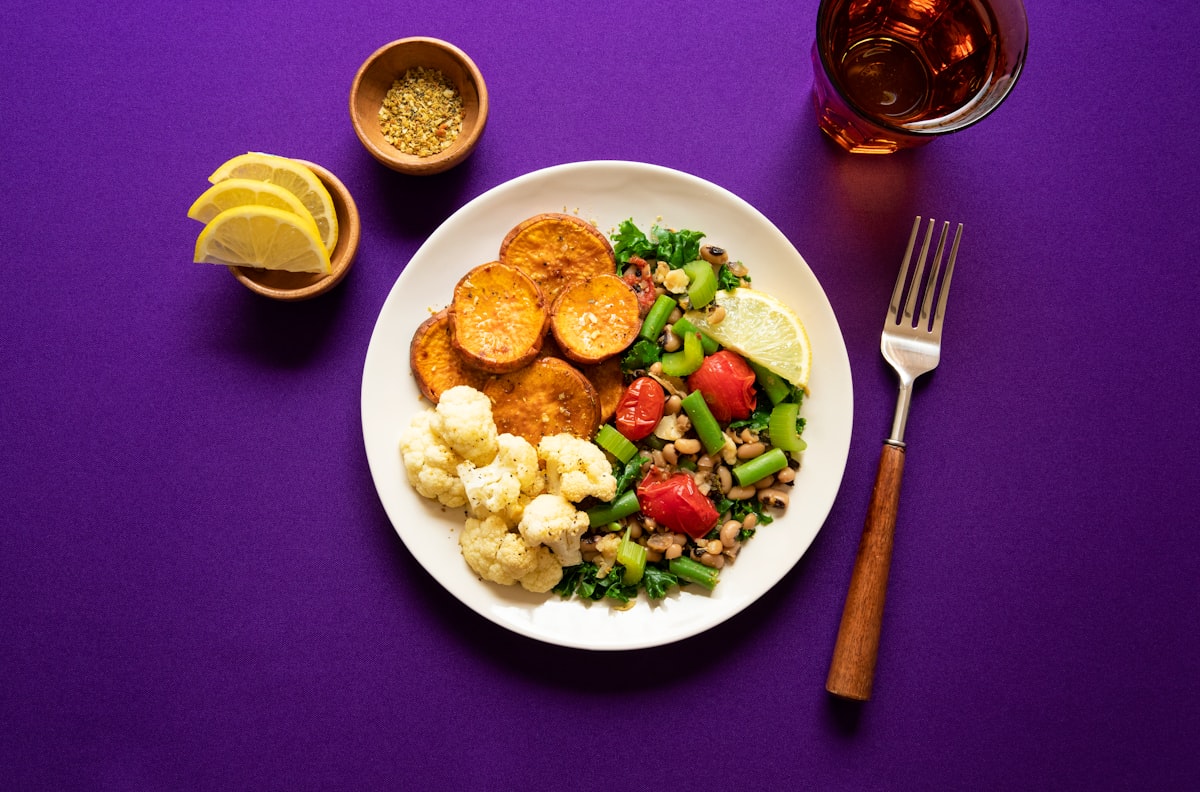
The DASH Diet Adapted for Joints
Originally developed for cardiovascular health, the DASH diet's emphasis on low sodium, high potassium, and abundant fruits and vegetables also makes it a sound choice for joint health. Its calcium-rich dairy components support bone density adjacent to joints, while the overall dietary pattern reduces inflammatory load. Researchers have explored its overlap with arthritis management with encouraging results.
 Gut Health
The Gut-Joint Connection Diet
The gut-joint axis is one of the most exciting frontiers in nutritional science. This dietary approach prioritizes fermented foods — kefir, kimchi, sauerkraut, and yogurt — alongside prebiotic-rich vegetables and diverse plant foods to nourish the microbiome. A healthier gut microbiome is linked to lower systemic inflammation, which directly translates to reduced joint pain signals and improved overall mobility.
 Nordic
The Nordic Diet for Joint Support
Often compared to the Mediterranean diet but with a northern European focus, the Nordic diet features fatty fish like herring and mackerel, whole rye grains, root vegetables, berries, and canola oil. Its exceptional omega-3 content, combined with high fiber and low processed food intake, creates a dietary pattern that multiple Scandinavian research institutions have linked to improved joint comfort and reduced arthritic symptoms.

How Anti-Inflammatory Eating Transforms Joint Mobility Over Time
Joint health isn't just about what supplements you take — it's fundamentally about the long-term dietary pattern you maintain. When your body operates in a state of chronic, low-grade inflammation driven by poor food choices, the cartilage lining your joints gradually breaks down faster than it can be repaired. Anti-inflammatory diets interrupt this cycle by providing the raw materials your body needs to counteract inflammatory signaling.
The transformation doesn't happen overnight. Research suggests that consistent adherence to an anti-inflammatory dietary pattern — typically for a period of several weeks to months — begins to shift inflammatory biomarkers measurably. People often notice reduced morning stiffness first, followed by greater range of motion and reduced joint tenderness during physical activity.
Weeks 1–4: Foundation Phase
Eliminating processed foods and introducing anti-inflammatory staples begins reducing the overall inflammatory load on joints and supporting gut health.
Months 2–3: Noticeable Shifts
Inflammatory markers in the body begin to normalize. Many individuals report less morning stiffness, better range of motion, and improved energy for daily activities.
Long-Term: Sustained Mobility
Consistent dietary changes support cartilage maintenance, synovial fluid quality, and overall joint longevity — helping preserve mobility well into later life.
What Our Community Is Saying
Thousands of people have transformed their joint health through smarter food choices. Here are just a few of their stories.
"After following the anti-inflammatory meal plans on Foodjointhealth for just six weeks, the stiffness in my knees every morning was noticeably reduced. I had no idea food could make such a dramatic difference."
Margaret T.
Retired teacher, 63
"I was skeptical at first — I'd tried supplements and physiotherapy with limited results. Switching to an omega-3-rich diet based on this site's guidance genuinely helped. My rheumatologist even noticed the improvement."
David R.
Software engineer, 48
"The recipes are genuinely delicious and easy to prepare. I never expected eating for joint health to feel like a treat rather than a chore. My hip pain has reduced significantly and I'm back to hiking on weekends."
Sophia L.
Fitness instructor, 55
12K+
Active Members
94%
Report Less Joint Pain
300+
Anti-Inflammatory Recipes
8 Wks
Average Time to Feel Results